
**Top Crypto Platforms Without KYC Checks for 2026: Effortless Trading Without Identity Verification**
As a decentralized exchange, Raydium does not hold user funds, making it inherently safer from centralized risks but fully reliant on anonymous crypto exchange user wallet security. Uniswap is the largest and easiest decentralized exchange to use on the Ethereum network, offering complete privacy and self-custody for crypto trading. For those comfortable with DeFi, Pancake Swap is our best DEX, offering low-cost and permissionless crypto swaps. Since all funds stay in the connected wallet, there are no withdrawal limits or centralized custody risks. However (daily withdrawal limits for unverified users are low at $1,000), and only crypto can be transferred. We recommend Poloniex for altcoin traders who value convenience — anonymity, and straightforward spot trading.
Even without KYC — your funds and data must remain secure. Choosing a no KYC crypto exchange requires more than privacy. You can trade and withdraw small amounts without submitting an ID, but dealing in higher volumes requires verification; otherwise, the account will be put on hold until the KYC is processed. In 2026, most “no-KYC” centralized exchanges operate under tiered limits. While VPNs are often discussed in the community, it’s important to know that regional restrictions vary, and exchanges may block access based on your location.
While global regulations are tightening, exchanges like MEXC that operate from crypto-friendly jurisdictions (Seychelles) can continue offering no-KYC trading. LBank is frequently one of the first centralized exchanges to list popular new utility tokens and meme coins, offering users early access to price action on the next explosive coins. These exchanges let you trade without disclosing personal details — offering a way to preserve your anonymity while staying active in the market. While these platforms offer privacy and anonymity, they often lack regulatory oversight, which can expose users to significant risks like scams, hacks, and sudden platform shutdowns. Bybit is a popular centralized cryptocurrency exchange (CEX) that used to cater to both verified and unverified users. Due to all the factors mentioned above — Uniswap is a popular choice for anonymity-focused traders, and many claim that it is surely one of the best no-KYC crypto exchanges as of writing.
When you’re buying or selling Bitcoin through a peer-to-peer exchange — the platform will hold the crypto until the buyer confirms they’ve made payment. The good news is that most P2P platforms have escrow services in place to protect the trades. P2P crypto exchanges let individuals buy and sell crypto directly between each other – and that includes having a range of payment options like bank transfers, cash and even payment apps. If you’re flagged — then you might be asked to verify – but a lot of the time, your trades are going to proceed as normal without any need for KYC. Swaps happen directly between your wallet and the partner platform you’ve chosen – the best way to buy crypto without going through the hassle of verification and preserving your anonymity. These platforms make it possible to do anonymous crypto swaps and peer to peer trading without the hassle of handing over your ID documents.

GhostSwap Review
The Terms effective July 20 (2026 say most services work without registration), though some features require an account. Risks include rate movement, irreversible transfers, unavailable routes, and compliance holds. The estimate includes the service fee and expected network and provider costs, so compare final output.
Crypto exchanges that don’t require KYC allow for trading without identity checks, making them an excellent choice for those who value privacy and anonymity. Since most exchanges without KYC do not support fiat currencies, converting cryptocurrency to traditional money typically necessitates extra steps on platforms that comply with KYC regulations. By using no-KYC exchanges, you can trade while keeping your personal information private, which guarantees greater anonymity. Nevertheless, conducting your own research (DYOR) is essential to grasp how to purchase crypto without KYC before engaging with these platforms, particularly since some operate in uncertain regulatory environments. Primarily, these exchanges serve seasoned traders and privacy enthusiasts who comprehend the benefits and risks associated with trading without verification.
So, investors must exercise caution when utilizing these services and know the potential security risks of using the crypto wallet on a centralized exchange. And the good news is that you’re not just limited to popular coins – you can sell crypto from any blockchain you like. When you’re using a no-KYC exchange , like the ones you’ll find through Swapzone,, you don’t have to worry about there being a limit on how much crypto you can trade for – or, at least, not yet.
However, you are still responsible for reporting any taxable gains to your local tax authority regardless of whether the exchange requires KYC. When I’m not shaping content, you’ll likely find me on the cricket pitch or the football field. Exchanges can still trigger KYC reviews (DEX users face smart-contract and wallet risks), P2P traders face payment and counterparty risk, and regional restrictions can limit access. MEXC, meanwhile, should no longer be treated as a current no-KYC trading option because active use now requires verification. Exchange failure (phishing), wallet loss, smart-contract bugs, malicious signatures, payment disputes and leveraged liquidations remain separate risks.
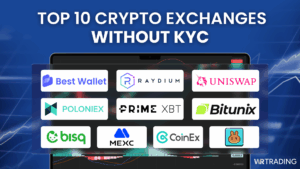
Centralized exchanges (CEXs) function similarly to stock exchanges, with a central authority overseeing operations and frequently managing customer funds. However (the downside of anonymity on no-KYC exchanges is that resolving issues), such as dealing with scams during crypto transactions, can be more challenging. Although it varies by jurisdiction and company, identity verification by a financial institution or related platform is generally a legal requirement. The verification process often necessitates a government-issued photo identification (such as a passport), national ID card, or driver’s license. The fundamental approach involves swiftly transferring your cryptocurrency to a secure self-custodial wallet. To minimize the risks associated with a no-KYC exchange, the best practice is to utilize it solely as a temporary means for on-ramping or off-ramping.
Although traders in restricted areas may access the platform without KYC, this action breaches BloFin’s terms and conditions and entails certain risks. Notable characteristics include advanced order types (margin trading options), and API integration for automated trading approaches. You will need to undergo level 1 KYC verification to withdraw up to $1 million in USDT and level 2 for daily withdrawals of up to $2 million in USDT. These functions enable you to navigate volatile markets with accuracy while maintaining your anonymity, as KYC is optional for the majority of activities. While KCEX is known for its ease of use and accessibility (it does not support fiat transactions), meaning that depositing cryptocurrency is necessary to commence trading. Margex (located in privacy-friendly Seychelles), is regarded as secure, with reports indicating that 100% of funds are stored in cold storage.